
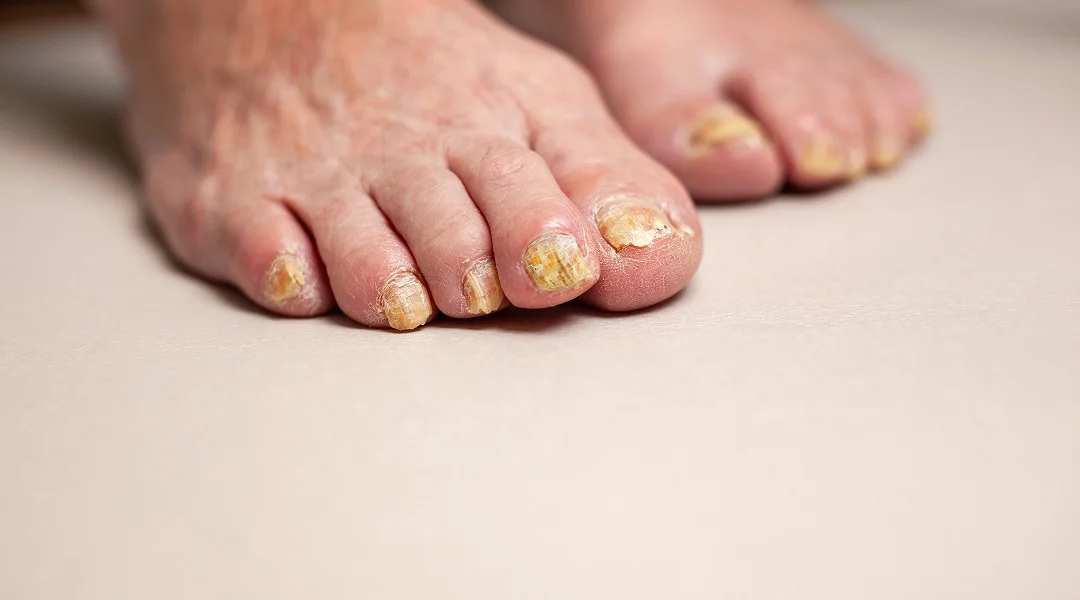
Yellow toenails can be much more than a simple cosmetic issue. In many cases, this color change is a sign that the body is sending to indicate an imbalance or an underlying condition that deserves attention. Whether it is a fungal infection, a reaction to chemical products, or a manifestation of a systemic disease, nail discoloration should not be ignored or treated only on the surface. Understanding the origin of the problem is the first step toward addressing it effectively and restoring healthy nails.
In this article, we will explore in detail the most common causes of yellow toenails, the available treatment options, and practical tips to help prevent them. Whether you are noticing this change for the first time or looking to resolve a persistent problem, the information below will help you better understand your situation and make the right decisions for your foot health. For an accurate diagnosis and professional support, the podiatrists at Clinique Podiatrique Duvernay are available to guide you toward the most appropriate solution for your case.
What Are the Main Causes of Yellow Toenails?
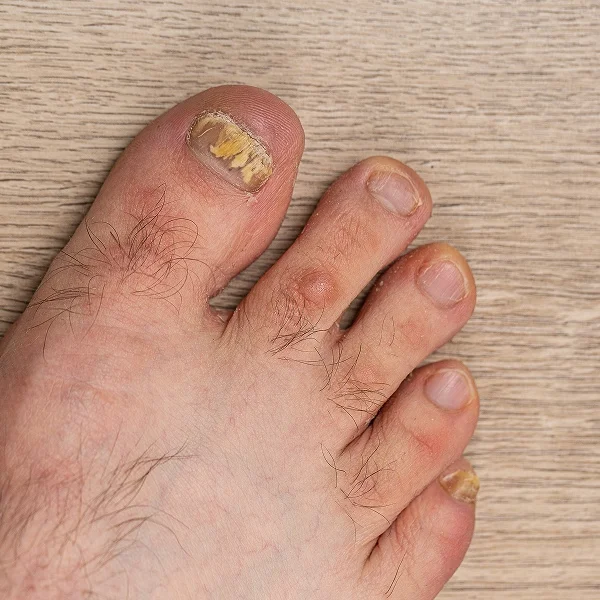
Toenail discoloration can result from a wide variety of factors, ranging from harmless and easily correctable causes to medical conditions that require professional care. Identifying the exact cause is essential in order to guide treatment in the right direction.
Onychomycosis, or fungal nail infection, is by far the most common cause of yellow toenails. This infection is caused by microscopic fungi that grow in warm, humid environments such as the inside of closed shoes, locker rooms, or public swimming pools. Over time, these fungi settle beneath the surface of the nail, causing not only progressive yellowing but also thickening, increased brittleness, and sometimes an unpleasant odor. Without proper treatment, the infection can spread to other nails and become difficult to eliminate completely.
The prolonged and repeated use of nail polish, especially dark colors or low-quality products, can also lead to yellowish discoloration. Pigments contained in some polishes penetrate the keratin of the nail and leave persistent stains, especially when the nails never have a rest period. Similarly, exposure to harsh chemicals without proper protection can alter the nail’s natural color and texture.
Certain medical conditions also play an important role in the development of yellow toenails. Psoriasis, a chronic inflammatory disease, can affect the nails by disrupting normal growth and causing changes in color, texture, and shape. Diabetes, in turn, can contribute to yellowing nails due to changes in blood circulation and increased vulnerability to infections. Smoking is another often underestimated factor: repeated contact with tar and nicotine can stain the nails significantly and permanently. In all these cases, treating only the nail without addressing the underlying condition will produce only temporary results treatment plan possible.
Essential Tips to Prevent Yellow Toenails
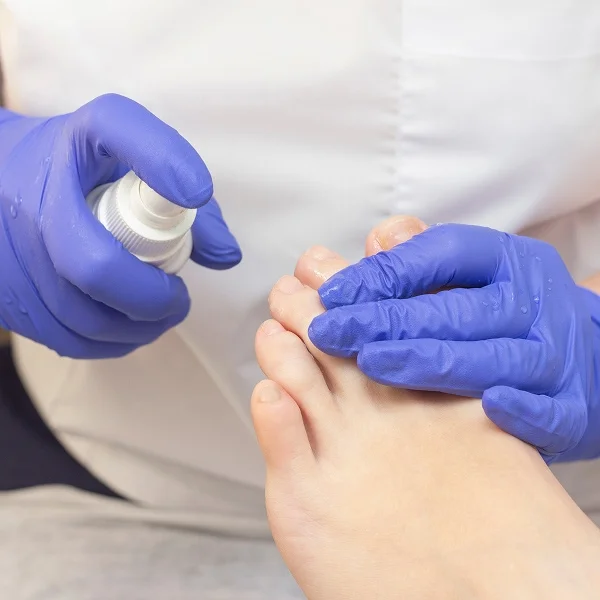
Prevention remains the most effective approach to avoid the appearance of yellow toenails. By adopting a few simple daily habits, it is possible to significantly reduce the risk of infection, discoloration, and deterioration of nail health.
Good foot hygiene is the first pillar of prevention. It is recommended to wash the feet daily with warm water and soap, paying particular attention to the spaces between the toes, an area prone to moisture buildup and fungal growth. After washing, it is essential to dry the feet thoroughly, since residual moisture creates an ideal environment for fungi to multiply.
The choice of shoes and socks is equally important. Wearing shoes made from breathable materials allows better air circulation and reduces excessive sweating. Cotton socks absorb moisture more effectively than synthetic materials and help keep the feet dry. It is also advisable to rotate pairs of shoes so that each pair has time to dry completely between uses.
When it comes to nail care, regular and proper trimming is essential. Nails should be cut straight across, without rounding the corners, using clean, sharp tools. Avoiding overly short nail cuts helps prevent microtrauma that weakens the nail and makes it more vulnerable to infection. It is also recommended to give nails a break between polish applications so the keratin can recover and discoloration caused by pigments can be avoided. In humid public spaces such as pools or gyms, wearing protective sandals is strongly recommended to avoid direct contact with potentially contaminated surfaces. A balanced diet rich in essential vitamins and minerals such as biotin, zinc, and vitamin E also helps strengthen nail health from within treatment plan possible.
When Should You See a Podiatrist for Yellow Nails?
While some cases of nail yellowing can be resolved with hygiene measures and at-home care, other situations require prompt medical attention. Knowing how to recognize the signs that it is time to see a professional is essential to avoid complications and receive appropriate treatment.
A podiatry consultation is recommended when the yellowing is accompanied by other symptoms such as nail thickening, increased brittleness, visible deformity, pain when touched or while walking, or swelling of the surrounding tissues. These combined signs may indicate an advanced fungal infection, nail psoriasis, or another condition requiring specific medical treatment. The duration and persistence of the discoloration are also important factors: if the yellowing has lasted for several weeks without improvement despite home care, it is strongly advised to consult.
People with diabetes, circulation problems, or weakened immune systems should be especially cautious and seek care at the first sign of changes, since infections can progress quickly and lead to serious complications. Delaying treatment in these cases can significantly worsen the situation and make recovery longer and more complex. treatment plan possible.
Available Treatments for Yellow Toenails
Treatment for yellow toenails depends directly on the cause identified during the medical evaluation. That is why an accurate diagnosis by a podiatry professional is always the first step before beginning any treatment.
When the cause is a fungal infection, treatment usually relies on antifungal agents, available in different forms depending on the severity of the infection. Medicated antifungal nail lacquers are applied directly to the nail and are suitable for mild to moderate infections. In more advanced cases, an oral treatment prescribed by a physician may be necessary to reach the infection more deeply. These treatments generally require several months of regular follow-up, since the nail must grow out completely for healing to be complete.
When yellowing is linked to a medical condition such as psoriasis or diabetes, treatment of the underlying disease is the priority and is done in coordination with the relevant specialists. For discoloration caused by nail polish, temporarily stopping the use of colored products combined with hydrating and restorative nail care usually allows for gradual improvement. The podiatrists at Clinique Podiatrique Duvernay assess each case individually to recommend the most appropriate and effective treatment plan possible.
Take Care of Your Nails With Expert Help
Yellow toenails are a common problem, but they should not be minimized or left unanswered. Whether it is a simple preventive measure or a condition requiring medical treatment, acting quickly always makes a significant difference in how the problem develops and in your overall quality of life.
At Clinique Podiatrique Duvernay, our team of experienced podiatrists cares for each patient with a personalized approach, combining attentive listening, clinical expertise, and solutions adapted to each situation. Regular follow-up and professional advice not only help treat yellow nails effectively, but also prevent recurrence and maintain the overall health of your feet over the long term. Do not wait for symptoms to get worse: book an appointment today with our specialists and get back to healthy feet.
 imunify-bot-check